
You know the value of optimizing your website for search engines and creating an engaging user experience. One critical tool in achieving both of these goals is internal linking. By strategically linking pages within your site, you not only help search engines understand the structure and relevance of your content but also guide users to discover more valuable information. In this blog post, we’ll probe into the significance of internal linking in boosting SEO and enhancing user experience on your website.
The Fundamentals of Internal Linking
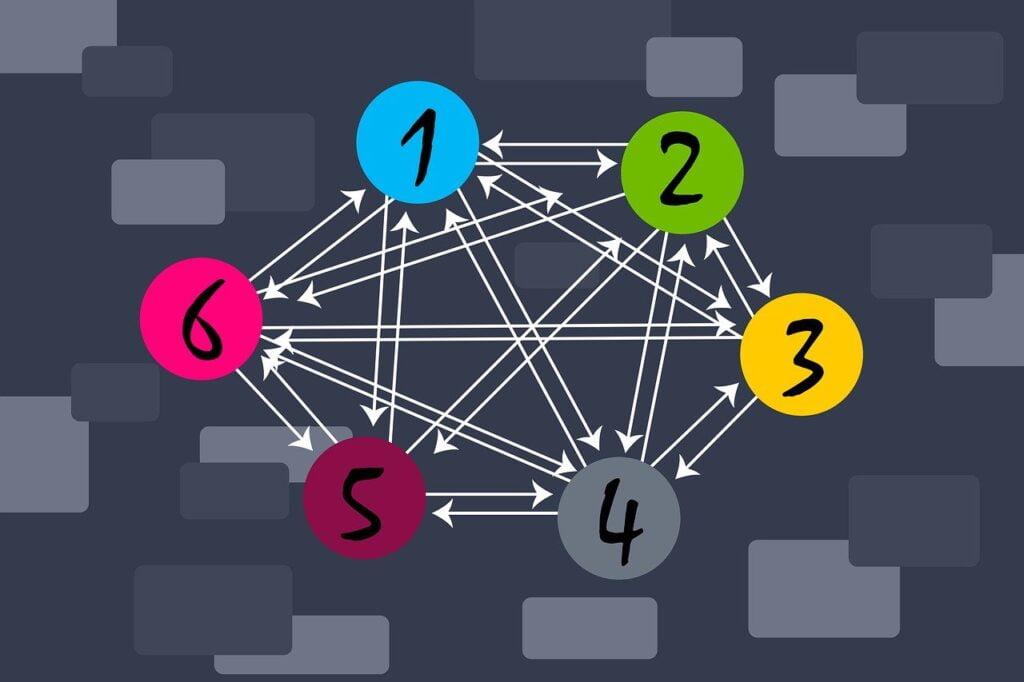
Definition and Purpose of Internal Links
Linking within your own website content is known as internal linking. The purpose of internal links is to connect various pages within your website to make it easier for users to navigate and for search engines to crawl your site effectively. By strategically placing internal links, you can guide visitors to other relevant pages, improve the user experience, and establish a hierarchy of information on your website.
Types of Internal Links
Internal links come in various forms, each serving a different purpose. The most common types include navigational links, contextual links, editorial links, footer links, and breadcrumb links. Each type plays a unique role in helping users discover related content and assisting search engines in understanding the structure of your website.
To probe deeper into the different types of internal links and their specific functions, refer to the table below:
| Type of Internal Link | Description |
|---|---|
| Navigational Links | Links found in menus, sidebars, or headers that guide users to main sections of a website. |
| Contextual Links | Links embedded within content such as anchor text or images to direct users to relevant internal pages. |
| Editorial Links | Links added by content creators within the body of the text to provide more information on a specific topic. |
| Footer Links | Links placed at the bottom of a webpage that help users navigate to necessary pages or sections. |
| Breadcrumb Links | Links that show the hierarchical structure of a website and help users trace their path back to the homepage. |
Any website looking to enhance user experience and improve SEO should incorporate a mix of these internal link types strategically throughout their content. By leveraging the various types of internal links, you can create a seamless browsing experience for users and boost the visibility of important pages on your site.
SEO Advantages of Internal Linking

Enhancing Page Authority
For a website to rank well on search engines, it is important to establish strong page authority. Internal linking plays a crucial role in this by distributing link equity across different pages of the website. When you strategically link relevant pages together, it helps search engines understand the structure of your website better and can lead to an increase in the overall page authority.
Improving Crawling and Indexing
Internal linking aids in improving the crawling and indexing of your website by providing clear pathways for search engine bots to navigate through the site. By linking from one page to another, you guide the bots to discover and index new content efficiently. This can result in more of your web pages being crawled and indexed, ultimately improving your website’s visibility on search engine results pages.
Indexing also helps in ensuring that your website content is fresh and up-to-date. By continuously linking to new pages or updating existing links, you signal to search engines that your site is actively maintained. This can lead to more frequent indexing of your pages, keeping your content relevant in search results.
Boosting User Experience Through Internal Linking
Navigational Ease and Accessibility
The key benefit of internal linking is the ability to enhance navigational ease and accessibility for users visiting your website. By strategically placing internal links within your content, you can guide visitors to other relevant pages on your site, making it easier for them to find the information they are looking for. This not only improves the overall user experience but also encourages visitors to stay longer on your site, increasing the likelihood of conversion.
Reducing Bounce Rates and Encouraging Content Exploration
Link building
With internal linking, you can effectively reduce bounce rates on your website and encourage visitors to explore more of your content. By providing links to related articles, products, or services within your content, you can keep visitors engaged and interested in what your website has to offer. This can ultimately lead to increased page views, lower bounce rates, and higher chances of visitors converting into customers.
It is important to ensure that your internal links are relevant and placed strategically throughout your content. By implementing a well-thought-out internal linking strategy, you can significantly enhance the user experience on your website and improve its overall SEO performance.
Best Practices for Internal Linking
Using Descriptive Anchor Text
Many SEO experts agree that one of the best practices for internal linking is to use descriptive anchor text. Instead of using generic phrases like “click here” or “read more,” use specific keywords related to the content you are linking to. This not only helps search engines understand the context of the link but also provides a clearer navigation path for users, improving their overall experience on your website.
Balancing the Number of Internal Links
For a well-structured website, it’s important to strike a balance between too few and too many internal links. While internal linking is crucial for SEO and user experience, overloading your pages with links can clutter the content and confuse visitors. On the other hand, having too few internal links can restrict the flow of link equity throughout your site. It’s important to find a balance that aligns with your website’s content and structure to maximize the benefits of internal linking.
To ensure you are achieving the right balance of internal links, consider conducting regular audits of your website’s internal linking structure. Analyze the number and placement of links on your pages and make adjustments as needed to enhance both SEO performance and user engagement. Do not forget, internal linking is a valuable tool when used strategically and thoughtfully.
Summing up
Presently, internal linking is an necessary component of a successful SEO strategy and improved user experience on your website. By strategically linking related content, you not only help search engines better understand your site’s structure and relevance but also guide users to more valuable information. This practice can lead to increased organic traffic, higher rankings in search results, and ultimately a better overall user experience. It is crucial to create a well-thought-out internal linking strategy that considers both search engine optimization and user navigation to make the most impact on your website’s performance.