
Local businesses looking to enhance their online presence and reach a wider audience must prioritize SEO-friendly web design. In today’s competitive digital landscape, having a well-optimized website can make all the difference in attracting potential customers. To help you make the most of your online platform, here are 10 crucial tips to improve your website’s search engine visibility and drive more traffic to your business.
Mobile Responsiveness

Use flexible layouts
A vital aspect of a mobile-responsive website is ensuring that it utilizes flexible layouts. Flexibility is key to accommodating various screen sizes and orientations, enabling your site to adapt seamlessly to different devices. By using percentages or relative units like em or rem in your CSS, you can create layouts that adjust based on the user’s screen, providing a consistent user experience across all devices.
Implement scalable graphics
When designing for mobile responsiveness, it’s crucial to implement scalable graphics to maintain visual appeal and usability. Scalable graphics, such as SVG files, can adapt without losing quality or distorting on different screen sizes. This ensures that your images, icons, and logos remain sharp and clear regardless of the device used to access your website.
Plus, utilizing scalable graphics not only enhances the user experience but also contributes to faster loading times and better SEO performance. Search engines value mobile-friendly websites that offer high-quality visuals, ultimately boosting your site’s ranking in search results.
Fast Loading Speeds
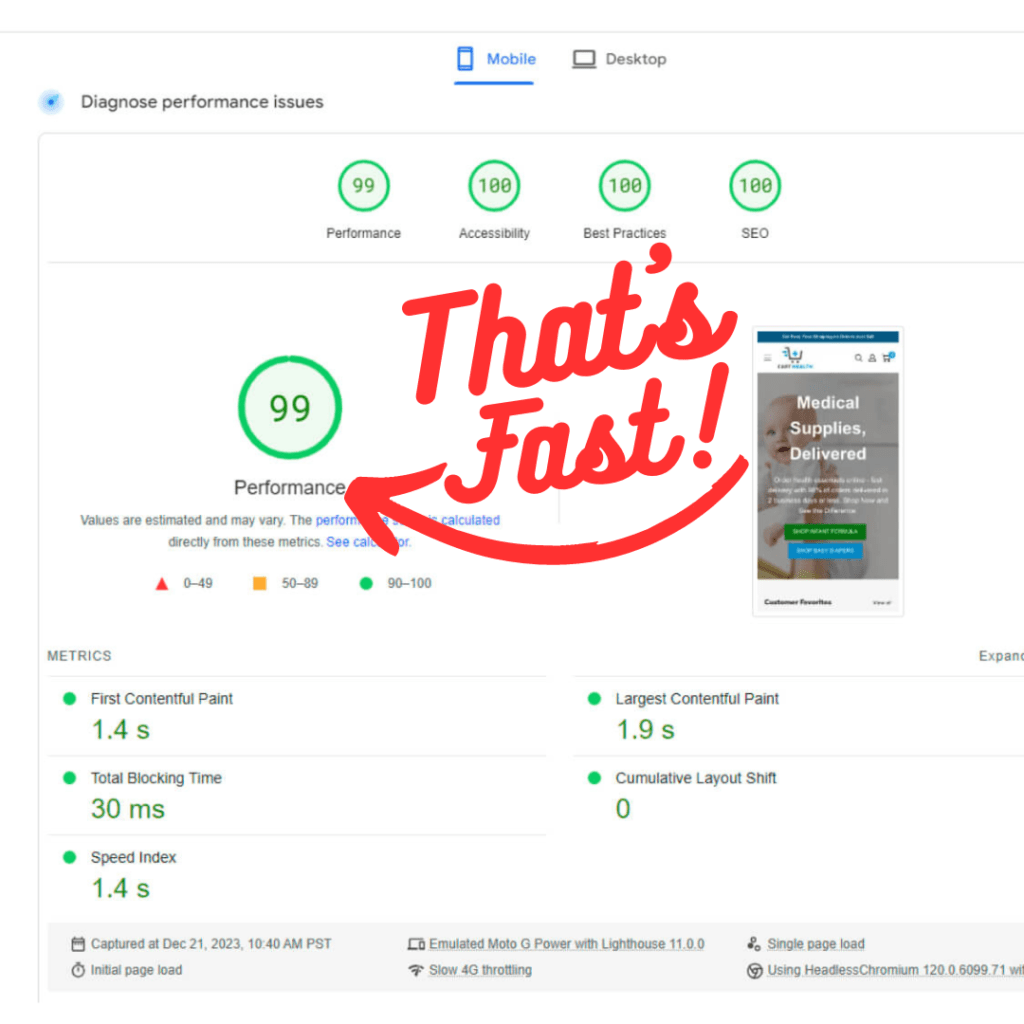
Optimize Image Sizes
Now, one of the key factors that can affect your website’s loading speed is the size of the images you use. Large image files can significantly slow down your website, so it’s crucial to optimize them for the web. To improve loading times, make sure to resize and compress images before uploading them to your site. Consider using image editing tools or plugins to help reduce file sizes without compromising on quality.
Minimize HTTP Requests
On top of that, another important aspect to consider for faster loading speeds is minimizing the number of HTTP requests your website makes. Each element on your web page, such as images, stylesheets, and scripts, requires a separate HTTP request to load, which can add up and slow down loading times. To reduce the number of requests, try to combine and minimize your files, use CSS sprites, and avoid excessive use of plugins that make additional calls to external resources.
HTTP requests play a crucial role in the loading speed of your website. The fewer requests your site makes, the quicker it can load for users. Optimizing your website to minimize HTTP requests can lead to a significant improvement in loading times and enhance the overall user experience on your local business site.
Search Engine Accessibility
Use structured data

You know the importance of making your website easy for search engines to navigate. One way to improve search engine accessibility is by using structured data. Structured data helps search engines understand the content on your website better, leading to improved visibility in search results.
Create clean URLs (IE… .com/page instead of .com/page-4322829-448-ssskwhe082-foo)
With respect to search engine optimization (SEO), URLs play a crucial role. Clean URLs that are concise, descriptive, and relevant to the page’s content are more likely to be clicked on by users and favored by search engines.
To create clean URLs, avoid using numbers, special characters, and excessive keywords. Instead, opt for short and meaningful URLs that accurately describe the page’s content. Additionally, make sure to use hyphens to separate words in the URL for better readability and SEO.
User-Friendly Navigation
Logical menu structure
Many local businesses overlook the importance of a logical menu structure on their website. A well-organized navigation menu can help users easily find the information they are looking for and improve the overall user experience. By categorizing your pages into specific sections and subcategories, you can make it simpler for visitors to navigate through your site.
Simple page hierarchy
Any local business website should have a simple page hierarchy to ensure that users can navigate through the site with ease. This means having a clear hierarchy of pages, with important pages easily accessible from the main navigation menu. Avoid overcomplicating the structure of your website, as this can confuse visitors and lead to a higher bounce rate.
Having a clear and concise menu structure can also improve your website’s overall SEO performance. Search engines like Google prefer websites with a clear hierarchy, making it easier for them to crawl and index your pages effectively.
High-Quality Content
Relevant Local Keywords
For local businesses looking to improve their SEO, incorporating relevant local keywords into their website content is important. By using specific keywords related to the products or services offered and the geographic location of the business, you can attract more local customers who are actively searching for what you offer. Optimizing your content with local keywords increases the chances of your website appearing in local search results, making it easier for potential customers to find you.
Engaging Multimedia Elements
One way to enhance your website’s content and make it more engaging for visitors is by incorporating multimedia elements such as images, videos, and infographics. These elements can help break up text-heavy pages, capture the attention of visitors, and improve the overall user experience. Including multimedia elements not only makes your content more visually appealing but also helps convey information in a more digestible and memorable way.
To truly stand out and engage your audience, consider creating interactive multimedia elements like quizzes or interactive maps. These features can increase user engagement and keep visitors on your site longer, which can positively impact your site’s SEO performance over time.
Social Media Integration

Add share buttons
With the prevalence of social media in today’s digital landscape, it is crucial for local businesses to incorporate share buttons on their website. These buttons make it easy for visitors to quickly share your content across various social platforms, increasing your online visibility and reach. By allowing users to share your content with just a click, you can expand your audience and generate more traffic to your site, ultimately boosting your search engine rankings.
Promote social proof
Promote social proof on your website by showcasing customer testimonials, reviews, and influential endorsements from social media. Social proof helps build trust with potential customers and can significantly impact their purchasing decisions. By prominently displaying positive feedback and endorsements from satisfied customers, you can establish credibility and authority in your industry. This can lead to an increase in conversions and ultimately improve your search engine rankings.
It is crucial to curate genuine and positive social proof to build credibility with your audience. Make sure to regularly update your testimonials and reviews to reflect current customer experiences and consistently engage with your audience on social media to foster a strong online reputation.
Clear Call-to-Actions
Visible Contact Information
To ensure that your local business website is user-friendly and encourages action, it is crucial to have visible contact information readily available. Contact information such as phone numbers, email addresses, and physical addresses should be prominently displayed on every page of your website. This makes it easy for potential customers to reach out to you and increases their trust in your business.
Persuasive Action Buttons
For effective call-to-actions, utilize persuasive action buttons throughout your website. These buttons should stand out visually, be concise in their messaging, and clearly direct visitors on the action you want them to take, whether it’s to make a purchase, sign up for a newsletter, or contact you for more information.
Information On these buttons, use action-oriented words such as “Buy Now,” “Contact Us,” or “Subscribe” to prompt visitors to take the desired action. Additionally, consider the placement of these buttons strategically on your website to maximize conversions.
Secure Website
Implement HTTPS protocol
Now is the time for every local business to ensure their website is secure by implementing the HTTPS protocol. This will encrypt the data exchanged between the website and its visitors, providing increased security and protecting sensitive information such as payment details and personal data.
Regularly update software
Website owners must prioritize regularly updating their software to maintain a secure online presence. Updating software such as content management systems, plugins, and themes helps to patch security vulnerabilities that could be exploited by cyber attackers.
It is crucial to understand that failing to update software regularly can leave the website exposed to security breaches and malware infections. By staying on top of updates, local businesses can significantly reduce the risk of potential threats and ensure the safety of their online assets.
Local SEO Optimization
Use local schema
All businesses should implement local schema markup on their website. This structured data helps search engines understand important information about your business, such as your address, phone number, business hours, and customer reviews. By adding local schema to your website’s code, you can improve your chances of appearing in local search results and attracting more local customers.
Encourage customer reviews
Having a strong customer review strategy is crucial for local SEO optimization. Encourage your satisfied customers to leave positive reviews on platforms like Google My Business, Yelp, and Facebook. Positive reviews not only improve your reputation but also signal to search engines that your business is trustworthy and relevant to local search queries.
Regular Maintenance
Periodic Performance Checks
Even the most well-designed website needs regular maintenance to ensure it is performing at its best. Periodic performance checks are important to identify any issues that may be affecting the site’s speed, security, or overall user experience. By conducting regular checks, you can proactively address any potential problems and ensure that your website continues to meet the needs of your visitors.
Update Content Regularly
Any successful local business website understands the importance of updating content regularly. By adding new and relevant information to your site on a consistent basis, you not only keep your audience engaged but also signal to search engines that your site is active and relevant. This can lead to improved search engine rankings and increased visibility for your business online.
Regular content updates also give you the opportunity to incorporate keywords that are relevant to your business, making it easier for potential customers to find you through online searches. Additionally, fresh content can help establish your authority in your industry and build trust with your audience.
Summing up
Implementing SEO-friendly web design is crucial for local businesses to increase online visibility and attract more customers. By following these 10 tips, businesses can optimize their websites for search engines, improve user experience, and ultimately drive more traffic. From responsive design to keyword optimization and local SEO strategies, each tip plays a vital role in ensuring a website ranks well in search results. Local businesses should prioritize SEO-friendly web design to stay competitive in today’s digital landscape and connect with their target audience effectively.